
“Oh, cursed is he who in time of trouble has to thrust his soul in the fire’s embrace, forfeiting help; he has nowhere to turn. But blessed is he who after death can approach the Lord and find friendship in the Father’s embrace.”
― Beowulf
GENESIS 50:18-20
18 His brothers also came and fell down before him and said, “Behold, we are your servants.” 19 But Joseph said to them, “Do not fear, for am I in the place of God? 20 As for you, you meant evil against me, but God meant it for good, to bring it about that many people should be kept alive, as they are today.
ST. FRANCIS’S PRAYER OF DESIRE
Therefore, let us desire nothing else, let us want nothing else, let nothing else please us and cause us delight except you our Creator, Redeemer and Savior, the only true God, Who is the fullness of good, all good, every good, the true and supreme good, Who alone is good, merciful, gentle, delightful, and sweet, Who alone is holy, just, true, holy, and upright, Who alone is kind, innocent, clean, from Whom, through Whom and in Whom is all pardon, all grace, all glory of all penitents and just ones, of all the blessed rejoicing together in heaven. Amen.
ART APPRECIATION
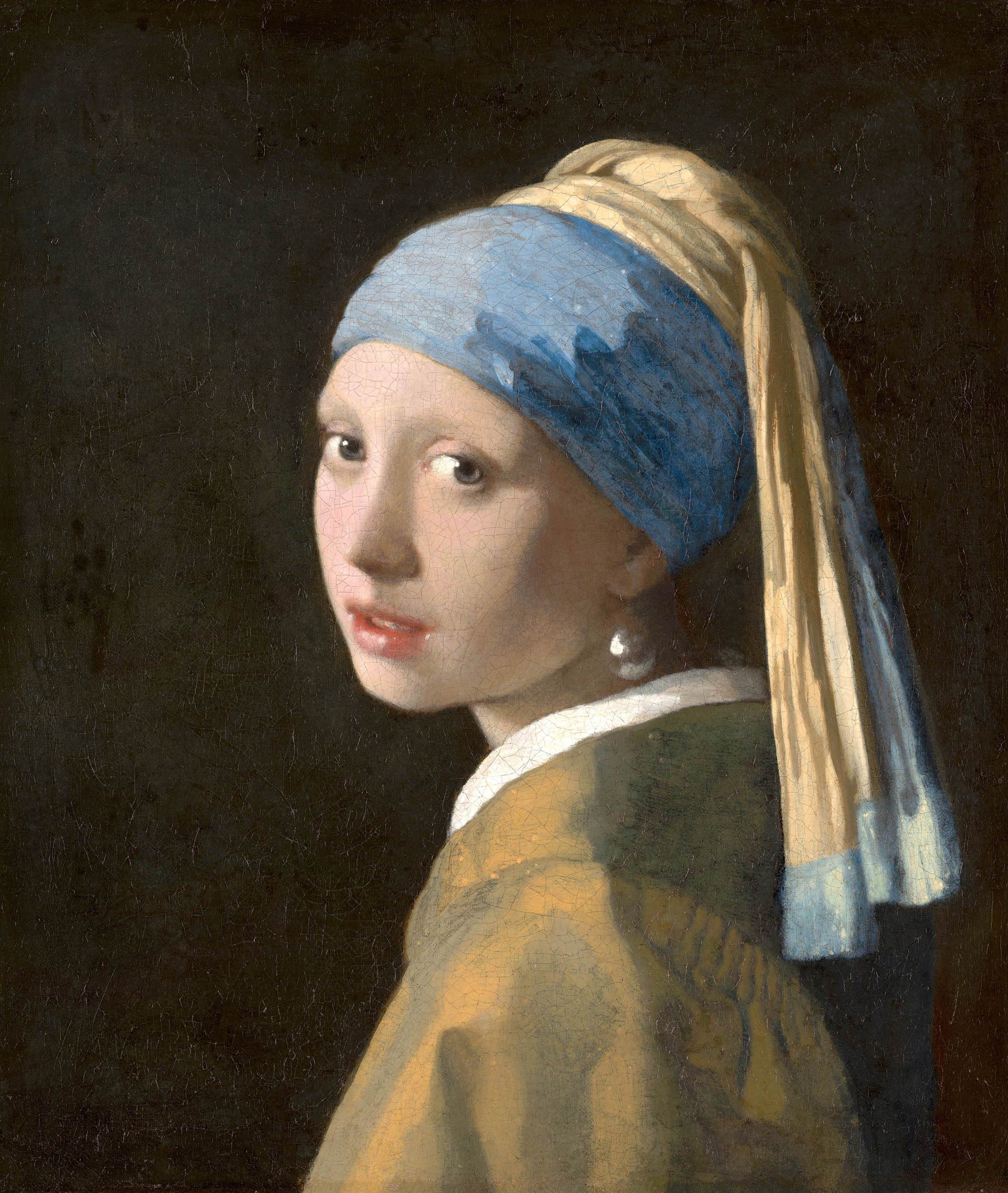
Not much is known about The Girl with the Pearl Earring. We do not know who modeled for this masterpiece, but many people like to guess at the young woman’s expression. It has been called the “Mona Lisa of the North.”
1
Johannes Vermeer (1853-1890) was born in Delft, the Netherlands, where he lived his entire life. He was a great artist of the Dutch Golden Age. During this time, the Netherlands was a rich and powerful country. Some people could afford to hire an artist such as Vermeer to paint a portrait of themselves for their homes. Vermeer was a respected artist but struggled during his life to support his wife and fourteen children. He painted very slowly and completed only thirty-five to forty works during his lifetime. Vermeer is known today for showing how light affects the color of people and objects in a scene.
2
MUSIC APPRECIATION
| Suite Bergamasque: III. “Clair de lune” by Claude Debussy |
The piece’s title (meaning “moonlight”) was added shortly before its publication in 1905. It was the same year Debussy’s beloved daughter, Claude Emma, known as Chouxchoux, was born. The title comes from a poem of the same name, published in 1869, by Paul Verlaine. The poem speaks of “au calme clair de lune triste et beau” (the still moonlight sad and lovely).
It also describes “charmante masques et bergamasques”, which may have inspired the name of the whole suite. “Bergamasques” refers to masked festivals in the ancient Italian theatre tradition, common also in France, using archetypal peasant characters such as Harlequin, Columbine and Scaramouche from the own of Bergamo.
3
Claude Debussy (1862-1918) was a French composer whose works were a seminal force in the music of the 20th century. He developed a highly original system of harmony and musical structure that expressed in many respects the ideals to which the Impressionist and Symbolist painters and writers of his time aspired. His major works include Clair de lune (“Moonlight,” in Suite bergamasque, 1890 1905), Prélude à l’après-midi d’un faune (1894; Prelude to the Afternoon of a Faun), the opera Pelléas et Mélisande (1902), and La Mer (1905; “The Sea”).4
 Providence School of Tifton